
What Is Mediterranean Food? A Look at the Dishes, Countries, and Traditions Behind It
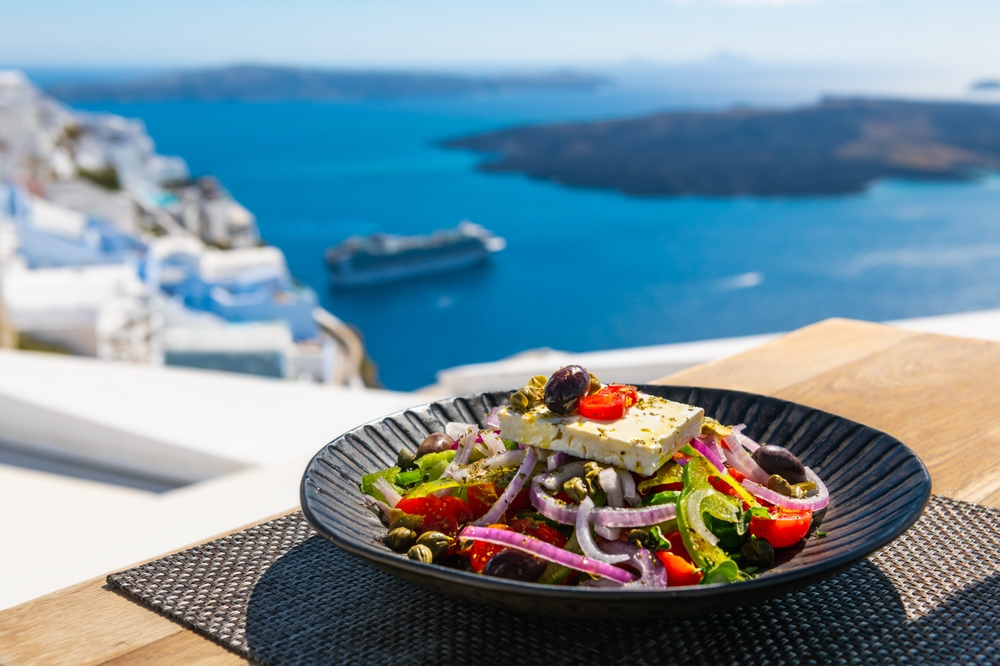
What Is Mediterranean Food? A Look at the Dishes, Countries, and Traditions Behind It
Quick Answer: Mediterranean food comes from 21 countries around the Mediterranean Sea, including Greece, Italy, Lebanon, Morocco, Spain, Turkey, and more. Olive oil, vegetables, legumes, grains, seafood, and fresh herbs tie it all together. But the real common thread is how people eat: slowly, together, with plates in the middle of the table for everyone to share.
"Is it Greek food? Lebanese? What exactly is this?" If you've ever stared at a Mediterranean menu feeling a little lost, that's fair. The honest answer is: it's kind of all of it.
We're talking 21 countries. Three continents. Moroccan tagine and Italian bruschetta sitting in the same food family even though they look nothing alike. What connects them isn't a recipe. It's a set of instincts about freshness, simplicity, and putting food in the middle of the table for everyone to share.
This post breaks down where it all comes from, what ties it together, and why the "Mediterranean diet" you keep hearing about is only half the picture.
What Is Mediterranean Food?
Mediterranean food is the cooking tradition shared by countries that border the Mediterranean Sea. That's 21 nations across Southern Europe, North Africa, and the Middle East, each with their own dishes and flavors but all drawing from the same core pantry: olive oil, fresh vegetables, legumes, whole grains, herbs, and seafood.
It's not one cuisine. It's a family of cuisines. Greek, Italian, Lebanese, Moroccan, Spanish, Turkish cooking all fall under the Mediterranean label. What ties them together isn't a single recipe or technique. It's a shared philosophy: use seasonal ingredients, keep things simple, and build meals around the table, not around one plate.
The term also gets confused with the "Mediterranean diet," which is a specific health framework. Mediterranean food is broader than that. It includes everything people in the region actually eat, from grilled fish and tabbouleh to fried falafel and baklava. More on that distinction below.
In This Post
- What Is Mediterranean Food?
- Where Does Mediterranean Food Come From?
- What Ingredients Define Mediterranean Cooking?
- What Are the Most Popular Mediterranean Dishes?
- How Is Mediterranean Food Prepared?
- Mediterranean Food vs. the Mediterranean Diet
- Why Is Sharing Central to Mediterranean Food?
- What Does a Modern Mediterranean Menu Look Like?
- Frequently Asked Questions
- Try It on Newbury Street
Where Does Mediterranean Food Come From?
Twenty-one countries border the Mediterranean Sea. Greece and Italy get most of the attention, but the list also includes Turkey, Lebanon, Morocco, Egypt, Tunisia, Spain, and a dozen more. Three continents. Thousands of years of people trading spices, migrating, and (let's be real) copying each other's recipes.
No single country gets to take credit.
The Greeks planted olive trees everywhere they colonized. Arab traders hauled cumin and saffron into Spain and Sicily a few centuries after that. Ottoman kitchens left a mark on the Balkans and the Levant that hasn't faded. Order a stuffed grape leaf in Athens and then try one in Istanbul. You'll taste it.
So Why Does It All Taste Like It's Related?
Olive oil. That's the short answer.
Walk into a Greek taverna: olive oil. A Tunisian street stall: olive oil. A Lebanese grandmother's kitchen on a Sunday: olive oil. Then chickpeas. Then eggplant. Then fresh herbs by the handful. The pantry repeats itself across the whole region even when the actual plates look completely different.
Historians split Mediterranean cooking into four zones: Western (Spain, France, Italy), Eastern (Greece, Turkey, the Levant), North African (Morocco, Tunisia, Egypt, Libya), and Balkan. Useful labels. But honestly, the borders get blurry fast once you sit down to eat. Same core pantry, wildly different results depending on whose kitchen you're in.
What Ingredients Define Mediterranean Cooking?
There's a classic trio that keeps coming up when people talk about Mediterranean cooking: olive, wheat, grape. As in olive oil, bread, and wine. That's been the foundation for a couple thousand years now. Not much has changed.
Beyond those three, here's what fills pantries across the region:
- Olive oil: the go-to fat for cooking. Butter barely shows up.
- Herbs and spices: this is where geography matters most. Oregano and basil dominate in Italy and Greece. Go east and it's za'atar, sumac, cumin. Cross into North Africa and you hit ras el hanout and harissa. You can guess where you are on the map just by opening the spice cabinet.
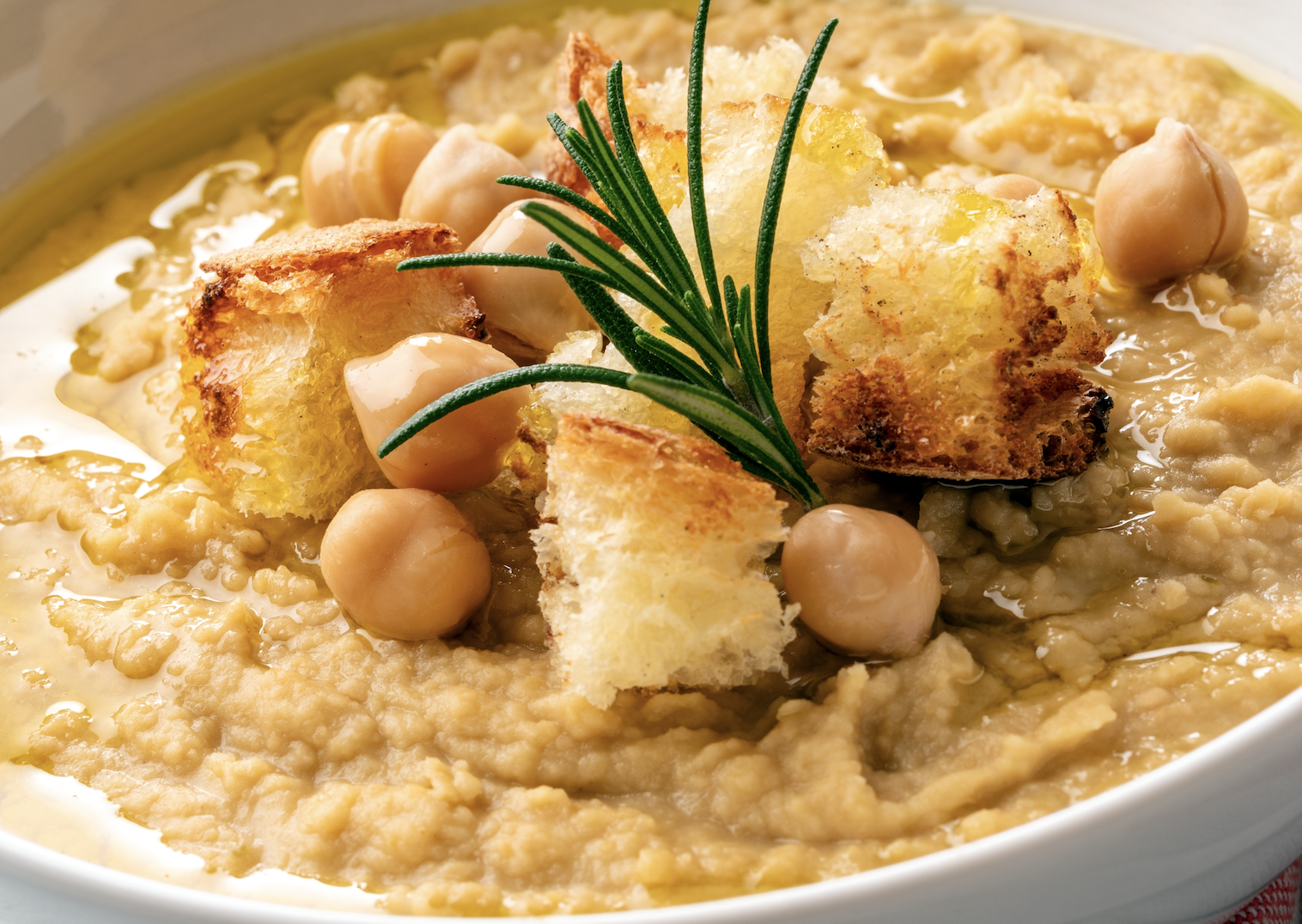
- Legumes: chickpeas, lentils, fava beans, white beans. They do the heavy lifting for protein. Hummus in Beirut, pasta e fagioli in Naples, same idea, different execution.
- Vegetables: tomatoes, eggplant, peppers, zucchini, artichokes. Not side dishes. Often the whole point of the meal.
- Grains and flatbreads: pita east of Greece, couscous across North Africa, farro in Italy, bulgur in Turkey.
- Seafood: sea bass, sardines, octopus. You'd expect that from a region built around one sea.
- Dairy: feta, halloumi, labneh, ricotta. Sheep and goat milk, mostly. Italy's mozzarella is the big cow's-milk exception.
- Citrus and acid: lemon juice, vinegar, pomegranate molasses. That bright punch you notice in almost every Mediterranean dish? This is why.
Here's What Actually Makes It Different
You can buy every single one of these ingredients at a Whole Foods. That's not the point.
The difference is restraint. Five or six things on a plate, cooked with minimal interference, each one tasting like what it actually is. A roasted eggplant should taste like eggplant. A tomato should taste like a tomato, not like a vehicle for sauce.
Sounds obvious, right? Most food traditions don't actually work that way. Mediterranean cooking does.
What Are the Most Popular Mediterranean Dishes?
Ask ten people to name their favorite Mediterranean dish and you'll get ten different answers. That's kind of the whole point, the range is massive.
Here's a quick breakdown by region:
- Greece: Moussaka, spanakopita, souvlaki, tzatziki. Heavy on oregano, lemon, feta, olive oil.
- Lebanon / Levant: Hummus, tabbouleh, fattoush, kibbeh, baba ghanoush. Za'atar and sumac run through everything. Tahini is basically a food group.
- Morocco / North Africa: Tagine, couscous, harira, shakshuka. The spice blends here are on another level. Ras el hanout alone can have 30+ ingredients in it.
- Italy: Bruschetta, caprese, risotto, pasta al pomodoro. Basil, garlic, Parmigiano-Reggiano. Italians don't overcomplicate things, and that's why it works.
- Spain: Paella, patatas bravas, gazpacho, gambas al ajillo. Smoked paprika and saffron give Spanish cooking that warmth you recognize immediately.
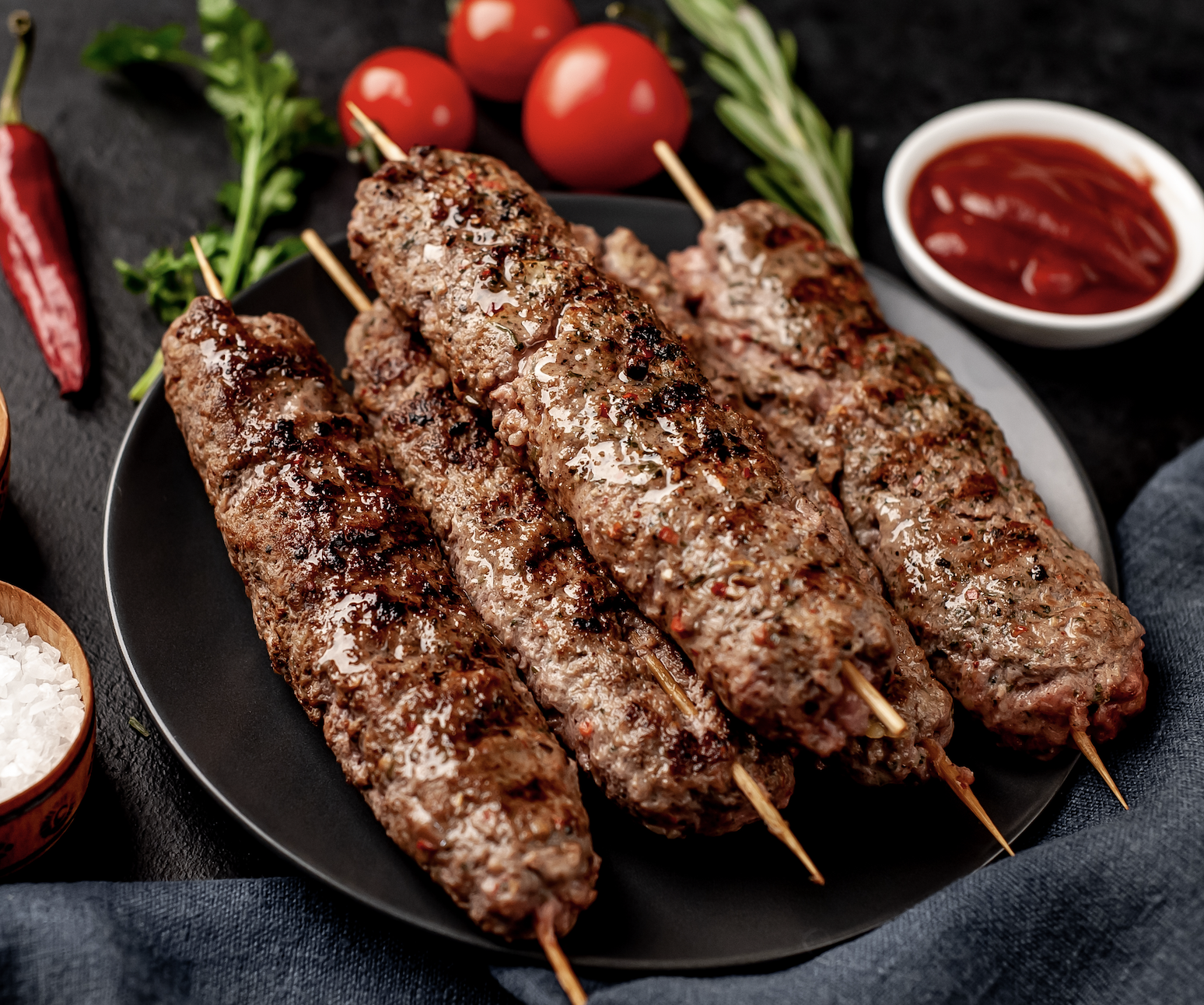
- Turkey: Kebabs, lahmacun, dolma, borek. Aleppo pepper, yogurt, pomegranate, mint. Turkish food doesn't get enough credit.
Different countries, different dishes. But here's the common thread: all of these meals are designed to land on the table at the same time so people can reach across and grab what they want. Ordering a single entree and eating alone? Not really a Mediterranean move.
How Is Mediterranean Food Prepared?
Simply. That one word covers about 80% of it.
The philosophy is: get good ingredients and then don't mess them up. Heavy sauces, complicated techniques, deep-frying, those are the exception. Here's what actually happens in most Mediterranean kitchens:
- Grilling and charring: fish, lamb, vegetables, flatbreads, all over open flame. Walk through any coastal town from Crete to Casablanca and you'll smell it before you see it.
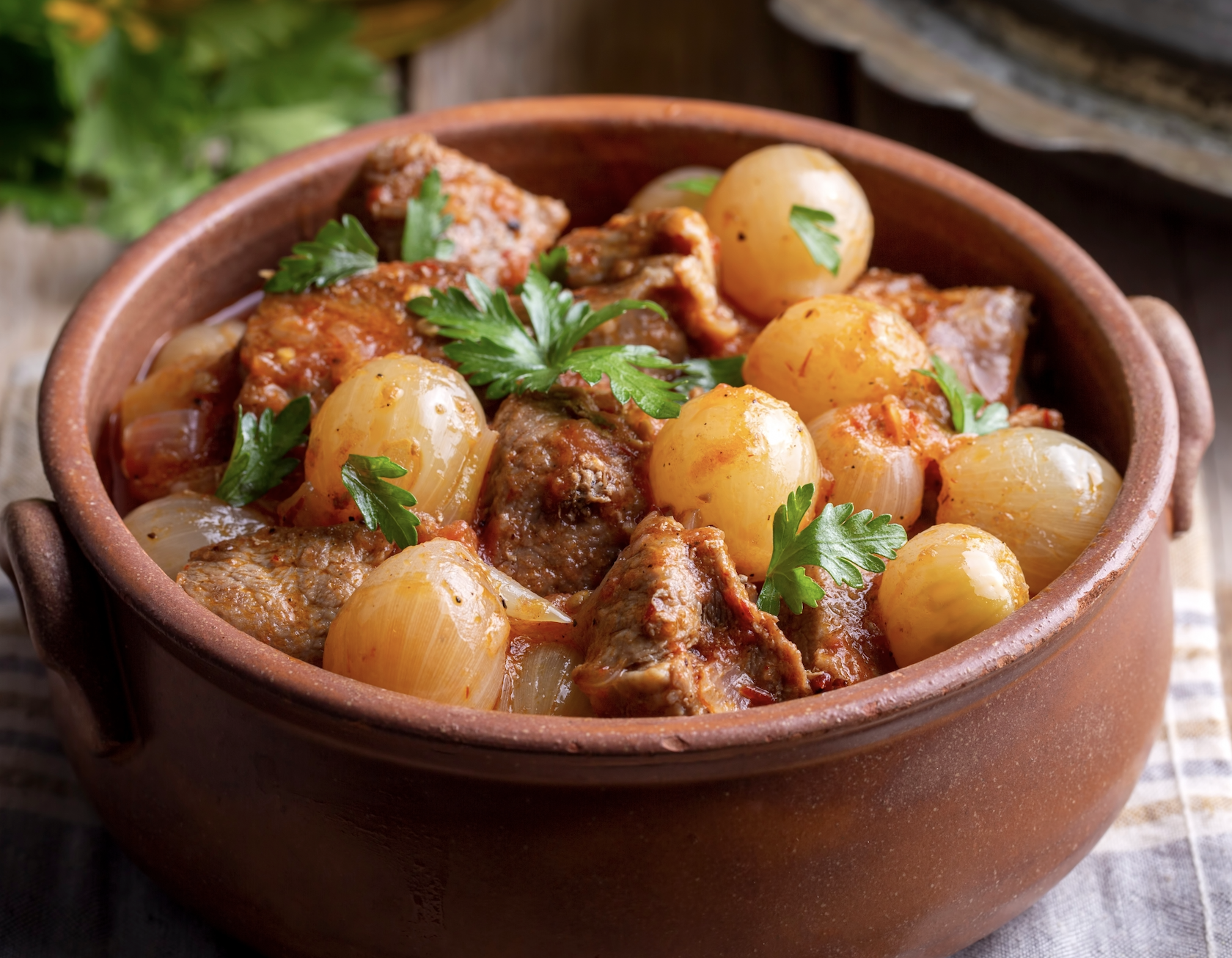
- Slow-braising: Moroccan tagines, Greek stifado. Low heat, lots of patience. Simple ingredients that become something completely different given enough time.
- Raw preparations: tabbouleh, fattoush, caprese. Zero cooking involved. The quality of the tomato or the parsley IS the dish. No hiding behind technique here.
- Roasting: whole fish, eggplant, peppers. Olive oil, salt, heat. That's it.
- Wrapping in dough: spanakopita in Greece, borek in Turkey, empanadas in Spain. Same idea showing up three thousand miles apart.
And the Seasoning?
Herbs and acid do all the heavy lifting. Not cream, not butter. Squeeze of lemon, good olive oil, whatever herbs are growing outside the kitchen door. That's how a Mediterranean cook finishes most plates.
If you've wondered why Mediterranean food always tastes bright, even when it's just grilled fish and some vegetables, there's your answer.
Mediterranean Food vs. the Mediterranean Diet
People mix these up all the time. Makes sense, the names are almost identical. But they're different things.
The "Mediterranean diet" is a health framework that American researchers developed in the 1950s. They noticed people in southern Italy and Greece had lower heart disease rates, studied what they ate, and built a diet plan around it. Plant-heavy, olive oil instead of butter, fish over red meat. The PREDIMED trial, one of the biggest nutrition studies out there, found roughly 30% lower risk of major cardiovascular events. That's significant.
But here's the thing.
Mediterranean food includes all of that, plus everything else people around that sea actually cook and eat. Lamb kebabs loaded with fat. Fried falafel. Baklava drowning in honey syrup. Wine with every dinner. Nobody in Beirut or Barcelona is sitting down to a meal thinking about a "diet." They're just eating the way their grandparents ate.
Did You Know: UNESCO added the Mediterranean diet to its Intangible Cultural Heritage list in 2013. Not for the nutrition, but for the social traditions. Communal meals, seasonal markets, passing recipes between generations. Seven countries are part of the inscription: Cyprus, Croatia, Spain, Greece, Italy, Morocco, and Portugal.
So the diet plan got famous because of heart health research. The food tradition behind it? That's about how people live, gather, and eat together. Much bigger story.
Why Is Sharing Central to Mediterranean Food?
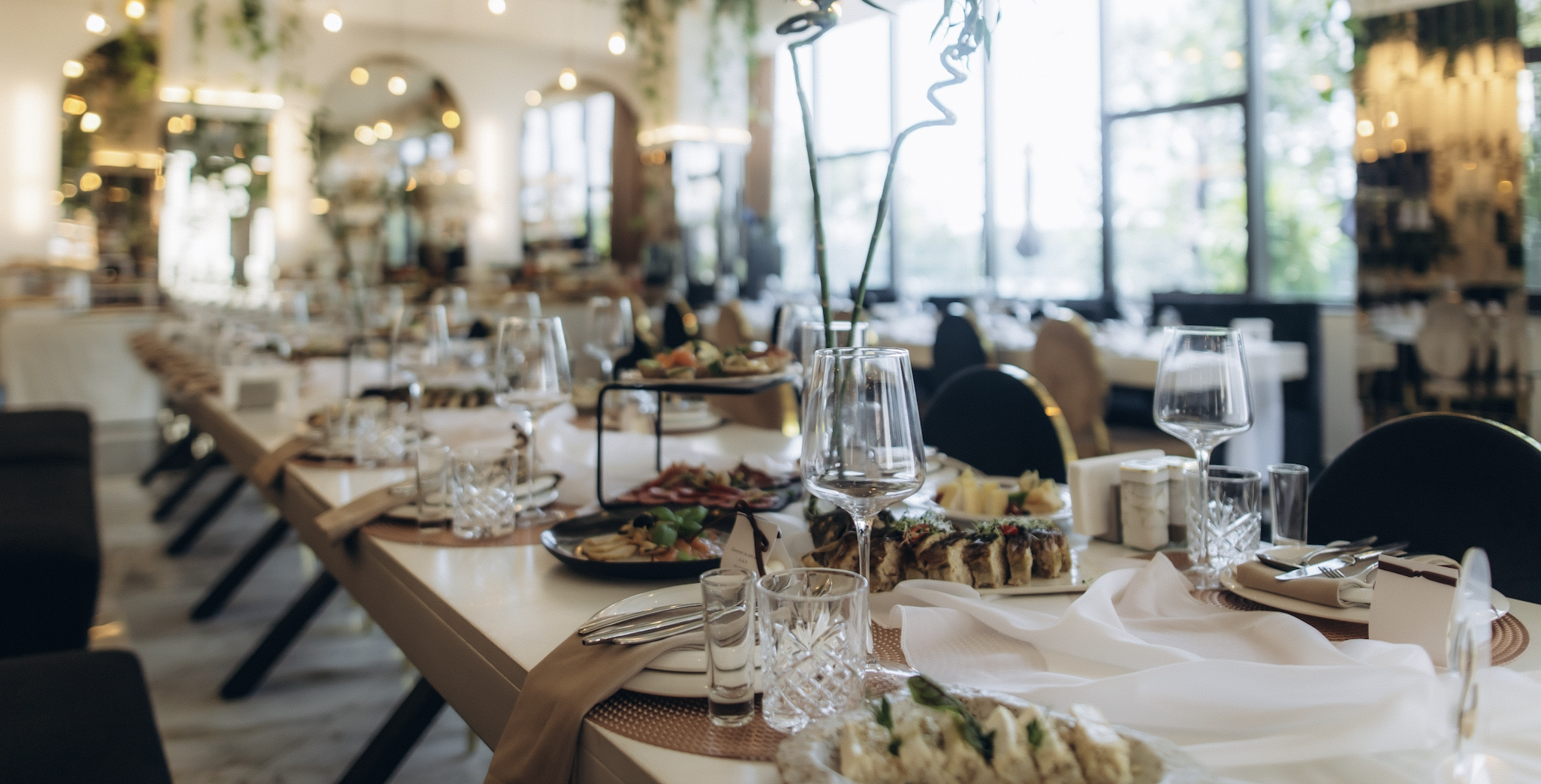
In most of the Mediterranean world, dinner isn't something you rush through between other plans. The meal IS the plan. Food goes in the center of the table. Everyone grabs what they want. Twenty plates, no assigned portions, no one keeping track of who ordered what.
You don't order one entree and eat quietly. You order a spread.
What Does That Look Like in Practice?
In Lebanon, a mezze spread can hit 20+ small dishes before anyone even thinks about a main course. Spain runs on the same logic with tapas: lots of small plates, no pressure, grab what catches your eye. Greek meals? No clear "main." Just a table covered in food and absolutely zero rush. Sitting there for two hours on a regular weeknight is normal.
If you've never eaten this way before, here's a good starting point: order two small plates and two mains for a table of two. Share everything. You'll pick up the rhythm fast, and you probably won't want to go back to the one-entree-per-person approach.
What Does a Modern Mediterranean Menu Look Like?
Old foundations, new creative license. That's the trend.
Modern Mediterranean restaurants don't stick to one country's playbook anymore. Levantine spices on Spanish-style octopus. North African ras el hanout on locally caught New England seafood. The fundamentals haven't changed (seasonal ingredients, simple techniques, food built for sharing) but the combinations keep getting more interesting.
At EVA on Newbury Street, that looks like crispy chickpeas with ras el hanout and toum alongside baba ghanoush, muhammara, and whipped goat cheese with warm pita. Mains range from grilled salmon to lamb burgers with cucumber labneh.
The brunch at EVA pulls from Mediterranean morning traditions too. Shakshuka, fresh flatbreads, egg dishes with za'atar. Comfort food with some regional backbone to it.
The bones of Mediterranean cooking haven't changed in centuries. What people are doing on top of those bones? That's where things are getting exciting.
Frequently Asked Questions
What country is Mediterranean food from?
No single country. Twenty-one of them, spread across three continents. You can usually guess where a dish originated just by flavor. Tons of oregano and lemon? Greek. Za'atar and tahini? Lebanese. Ras el hanout and preserved lemon? Somewhere in North Africa. Tomato-basil-garlic? Italy, almost certainly.
What is the difference between Middle Eastern food and Mediterranean food?
Middle Eastern food is part of the Mediterranean world. Lebanon, Syria, Turkey, those countries are both Middle Eastern and Mediterranean at the same time. Hummus, falafel, kebabs all carry both labels. Where it gets different is that "Mediterranean" also includes Italian, Greek, Spanish, and North African cooking, none of which are Middle Eastern.
What is the white sauce in Mediterranean food?
That's toum. Lebanese garlic sauce made from raw garlic whipped with oil and lemon juice until it goes thick and white. It's at basically every Mediterranean restaurant, served with grilled meats, pita, rice bowls. Tzatziki is the other common one (yogurt, cucumber, garlic), which comes from the Greek side of things.
Is Mediterranean food healthy?
A lot of it is, yeah. Vegetables, legumes, olive oil, fish, those are daily staples across the region. Research has consistently tied Mediterranean eating patterns to better heart health and lower chronic disease risk. But the cuisine also includes fried food, pastries, lamb, and plenty of wine. So it depends on what you eat and how much. It's a food tradition, not a diet plan, even though there is a diet named after it.
Try It on Newbury Street
EVA was built around the same values that run through Mediterranean cooking: good ingredients, shared plates, and the kind of meal where nobody's checking their phone because the food and the company are too good. We pull from the whole region and serve it all at 279A Newbury Street, with one of the biggest patios in the Back Bay.
One Google reviewer summed it up: "A lovely place to dine, friendly staff, good cocktails and tasty food."
EVA Boston
279A Newbury Street, Boston, MA 02115
(617) 546-5515 | Mon-Thu 11AM-9PM, Fri 11AM-10PM, Sat 10AM-10PM, Sun 10AM-9PM
Make a reservation or get in touch
Flavors beyond the plate
Culinary tales that capture the essence of Mediterranean spirit
Your table awaits
Join us for an unforgettable Mediterranean dining experience on historic Newbury Street.