
Greek vs. Mediterranean Food: What's the Difference?
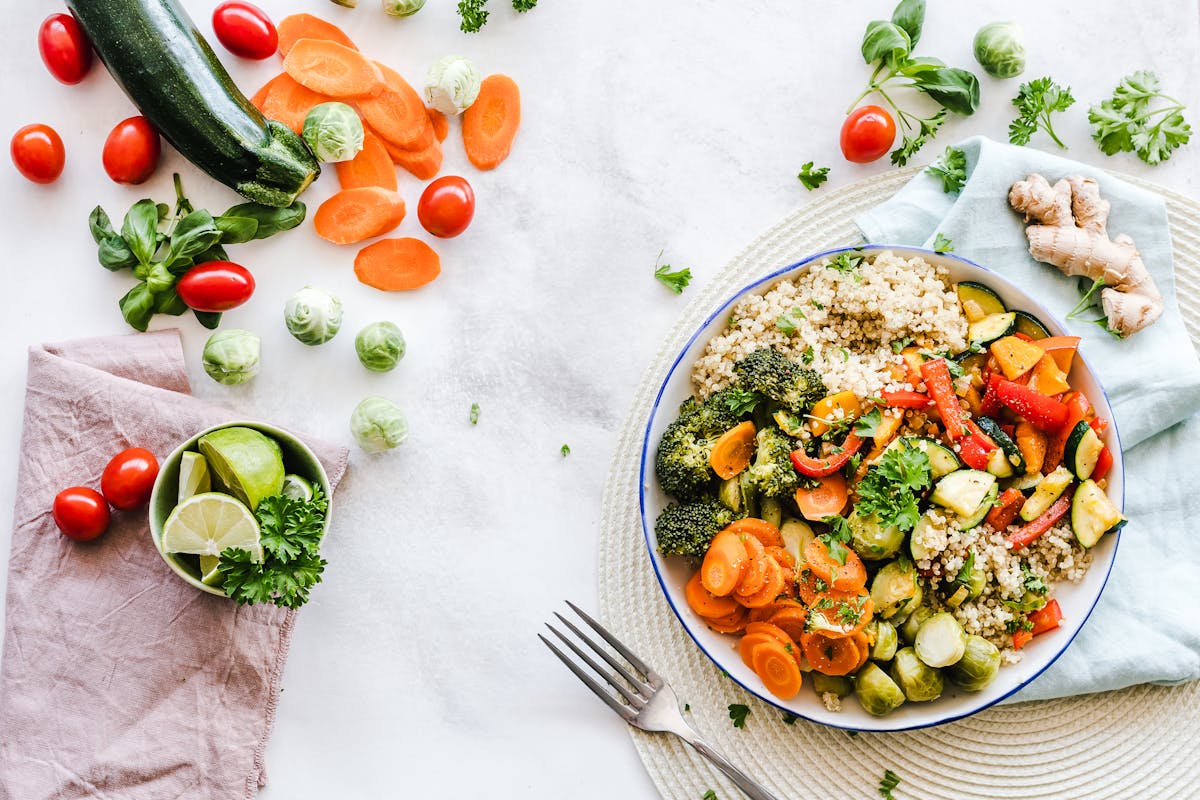
People use "Greek" and "Mediterranean" like they mean the same thing, and on a menu they often look alike. Hummus, grilled fish, olive oil, fresh herbs. So what is the actual difference between Greek food and Mediterranean food, and does it matter when you're deciding what to order?
The short version: Greek food is one country's cooking inside a much bigger family. Mediterranean food is the whole family. Here's how they fit together, where they split, and how to use that when you order.
Quick Answer: Greek food is a specific national cuisine from Greece. Mediterranean food is a broader category covering all the countries around the Mediterranean Sea, including Greece, Italy, Spain, Lebanon, and Turkey. All Greek food is Mediterranean, but not all Mediterranean food is Greek.
The Big Picture: One Is Part of the Other
Think of it like a family tree. "Mediterranean" is the family name. It covers the cooking of every country that borders the Mediterranean Sea, from Spain and Italy in the west to Greece, Turkey, Lebanon, and North Africa in the east.
Greek food is one member of that family. It shares the family's core habits, like cooking with olive oil and building meals around vegetables and seafood, but it has its own dishes, flavors, and traditions that are distinctly Greek.
So when a restaurant calls itself Mediterranean, it's usually drawing from several of these traditions at once. When it calls itself Greek, it's focused on the cooking of Greece specifically.
What They Share
The overlap is real, which is why people mix them up. Greek and the wider Mediterranean kitchen are built on the same foundation:
- Olive oil over butter: The default fat across the whole region.
- Vegetables front and center: Eggplant, tomatoes, peppers, greens, and legumes do a lot of the work.
- Fresh herbs and citrus: Flavor comes from lemon, oregano, parsley, and mint rather than heavy sauces.
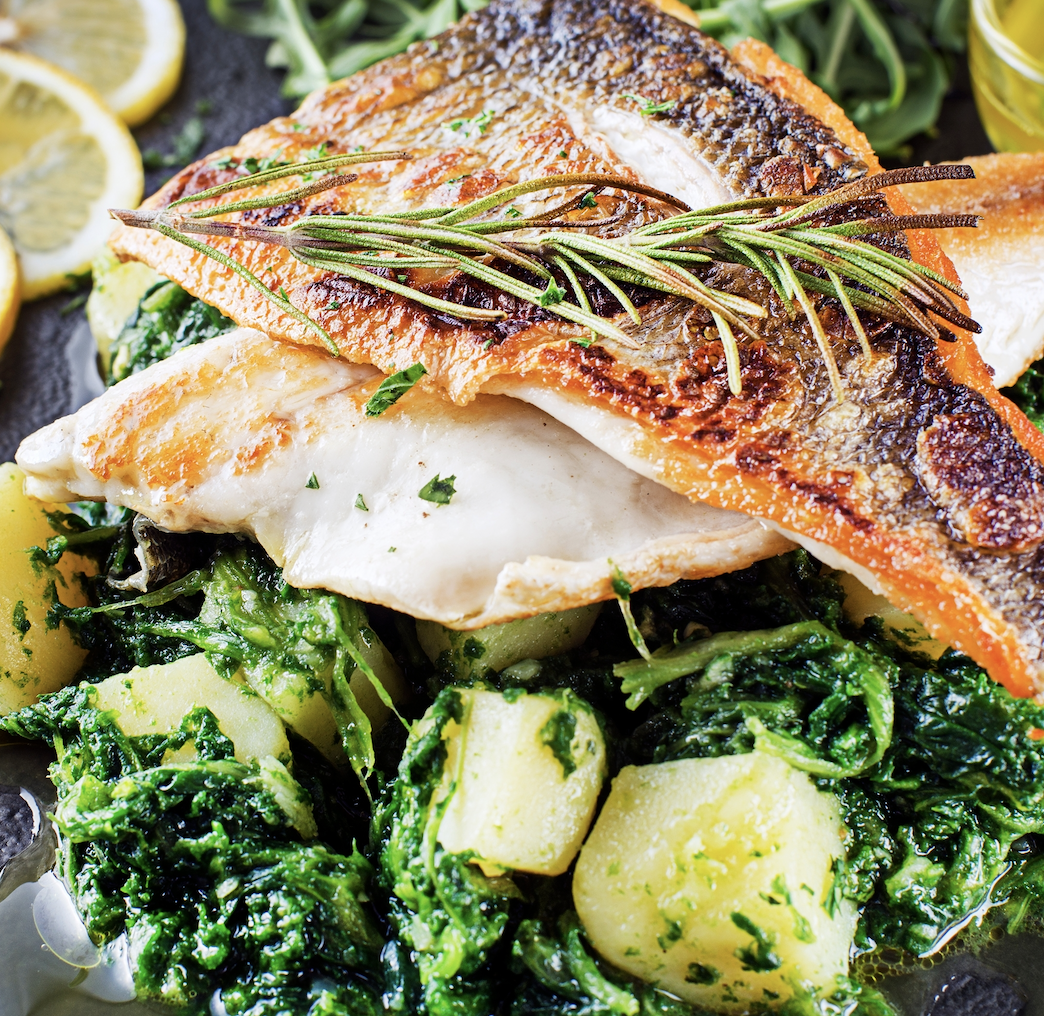
- Seafood and lamb: Grilled simply and treated as the star.
- Shared small plates: The mezze tradition of grazing on dips and bites runs through the entire region.
If you've read our guide to what mezze is, you already know the shared-plate habit isn't Greek alone. It's Lebanese, Turkish, and beyond.
What Makes Greek Food Greek
Within that shared family, Greek cooking has signatures you won't always find elsewhere in the Mediterranean:
- Feta and Greek yogurt: Tangy sheep's-milk feta and thick yogurt show up constantly.
- Tzatziki: The cucumber-yogurt-garlic dip is a Greek classic.
- Specific dishes: Moussaka, souvlaki, gyro, spanakopita, and avgolemono soup are distinctly Greek.
- Oregano and dill: These herbs lean heavier in Greek cooking than in, say, Italian or Spanish.
So a Greek meal is Mediterranean, but it carries these particular flavors and dishes that point straight to Greece.
Where the Rest of the Mediterranean Goes Its Own Way
Step outside Greece and the same family branches into very different cooking:
- Italy: Pasta, risotto, and a tomato-and-basil sensibility.
- Spain: Tapas, saffron, paella, and cured meats.
- Lebanon and the Levant: Hummus, baba ghanoush, tabbouleh, and lots of warm spice.
- Turkey: Kebabs, yogurt-based dishes, and rich, layered spices.
A modern Mediterranean restaurant often pulls from all of these. That's the freedom of cooking "Mediterranean" rather than one nation's menu: you can put a Greek-style grilled fish next to a Lebanese dip and a plate of Italian-leaning pasta, and it all belongs together.
Pro Tip: If you love one Mediterranean cuisine, use it as a doorway to the others. Like Greek tzatziki? Try Lebanese muhammara or a Spanish-style octopus next. The shared backbone means you'll probably love those too.
So Which Should You Order?
It depends on what you're after. If you want the specific flavors of Greece, look for a Greek menu heavy on feta, oregano, and dishes like souvlaki and moussaka. If you want range in one sitting, a Mediterranean restaurant lets you travel across the whole region on a single table.
At Eva, the menu takes the Mediterranean approach. You'll find mezze rooted in the Levant, grilled seafood and lamb that nod to Greece, and pasta with an Italian heart, all built for sharing the way the whole region likes to eat.
Greek vs. Mediterranean Food FAQ
Is Greek food the same as Mediterranean food?
Not exactly. Greek food is Mediterranean, but it's only one part of a much larger family that also includes Italian, Spanish, Lebanese, and Turkish cooking. All Greek food is Mediterranean; not all Mediterranean food is Greek.
What is the main difference between Greek and Mediterranean cuisine?
Greek cuisine is the specific cooking of Greece, with signatures like feta, tzatziki, oregano, and dishes such as moussaka and souvlaki. "Mediterranean" is the broader category covering every country around the Mediterranean Sea, so it spans many national cuisines at once.
What do Greek and other Mediterranean foods have in common?
They share a foundation: olive oil instead of butter, lots of vegetables and legumes, fresh herbs and citrus, simply grilled seafood and lamb, and the tradition of shared small plates.
Is Greek or Mediterranean food healthier?
Both follow the same healthy framework of vegetables, olive oil, fish, and whole grains. Our guide to the health benefits of the Mediterranean diet covers what the research shows, and it applies to Greek cooking too.
What should I order at a Mediterranean restaurant if I like Greek food?
Start with familiar ground like tzatziki and grilled fish, then branch out to a Lebanese dip such as hummus or baba ghanoush and a shared main. The cuisines are close enough that if you like one, you'll likely enjoy the others.
Taste the Whole Mediterranean at Eva
The best way to understand how Greek and Mediterranean cooking connect is to taste them side by side. At Eva on Newbury Street, the menu spans the region, from Levantine mezze to Greek-style grilled plates. Come build a table and try it all.
Eva
279A Newbury Street, Boston, MA 02115
See the menu or get in touch.
Flavors beyond the plate
Culinary tales that capture the essence of Mediterranean spirit
Your table awaits
Join us for an unforgettable Mediterranean dining experience on historic Newbury Street.