
Shawarma vs. Kebabs: What's the Difference?
Walk into any Mediterranean restaurant and you'll see shawarma and kebabs side by side on the menu — and for good reason. They're both bold, satisfying, and deeply rooted in the same culinary tradition. But order them expecting the same experience, and you'll quickly notice they're two very different dishes. The cooking method, texture, and way they're served each tell their own story, and understanding that difference makes the choice a lot more interesting.
At Eva, our dinner menu features both styles, each prepared the traditional way. Here's a closer look at what sets them apart.
What is shawarma?
Shawarma originated in the Levant region during the Ottoman Empire, evolving from the Turkish döner kebab. The name itself comes from the Turkish word "çevirme," meaning "to turn," which is a nod to the rotisserie cooking method. From its roots in the Ottoman Empire, shawarma spread across the Middle East and Mediterranean, becoming one of the most recognized street foods in the world.
To make shawarma, chefs stack thin slices of marinated meat — commonly lamb, chicken, or beef — on a vertical spit. Before it even touches the rotisserie, the meat is marinated for hours, sometimes overnight, in a blend of warm spices like cumin, turmeric, cinnamon, and coriander. That marination is what gives shawarma its deeply layered, complex flavor.
As the spit rotates, the meat cooks slowly, and the outer layer caramelizes before being shaved off. This process repeats throughout the day, which gives shawarma a distinct texture: crisp on the outside, juicy underneath. The constant turning and shaving also means every bite is a mix of textures — tender interior meat and crispy, caramelized edges.
Shawarma is typically served wrapped in flatbread with vegetables, pickles, and sauces like garlic toum or tahini. It's a street food classic, built for eating on the move — but it translates just as well to a sit-down plate when served with fresh sides and a well-crafted sauce.
What are kebabs?
"Kebab" is a broad term covering many styles of grilled meat found throughout the Middle East, Mediterranean, and South Asia. Unlike shawarma, kebabs aren't defined by a single cooking method. The word describes a category, not one specific dish. The origins of kebab trace back thousands of years, with soldiers in ancient Persia said to have grilled meat over open fires on their swords. Today, kebabs come in dozens of regional variations, each with their own preparation style, spice blend, and serving tradition.
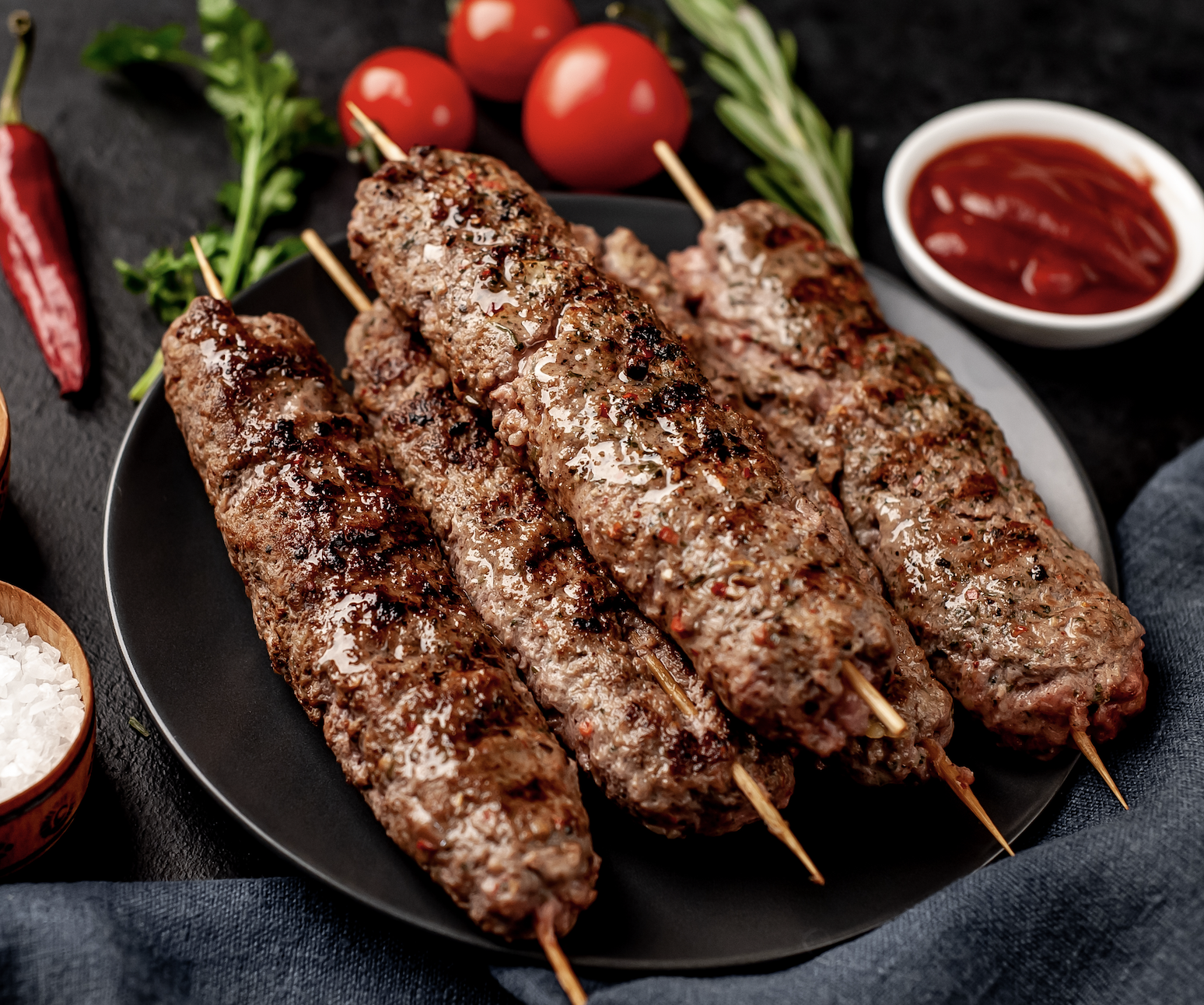
Some of the most common kebab varieties include shish kebab, which is cubed meat threaded onto skewers and grilled over an open flame; kofta kebab, made from ground meat mixed with herbs and spices and shaped around a skewer before grilling; and Adana kebab, a spicier, Turkish-style kofta made with minced lamb and red pepper. Each variety carries its own character. Shish kebab tends to be simpler and cleaner in flavor, letting the quality of the meat shine. Kofta and Adana, on the other hand, lean into herbs and spice, delivering a bolder, more complex bite.
Because kebabs are grilled directly rather than shaved from a rotating spit, they tend to have a firmer, charred exterior with a smokier flavor profile. That char is part of the appeal — it adds a depth of flavor that's hard to replicate through any other cooking method. At Eva, lamb and chicken kebabs are prepared over an open flame and served with rice, grilled vegetables, and traditional accompaniments.
How do shawarma and kebabs differ in preparation?
The biggest distinction between shawarma and kebabs comes down to how the meat is cooked.
Shawarma relies on a vertical rotisserie, where thin layers of marinated meat slowly cook against each other, locking in moisture while the exterior crisps. The meat is almost self-basting as the fats from the upper layers drip down over the pieces below, continuously adding flavor and moisture throughout the cooking process. Kebabs, by contrast, are grilled directly over flame, whether skewered as cubes or shaped around the skewer as ground meat. Open-flame grilling exposes the meat to direct, intense heat, creating that signature charred crust.
The marinade also plays a different role in each dish. With shawarma, the marinade penetrates deep into the meat during its extended rest, and much of that flavor is then locked in by the slow rotisserie cook. With kebabs, the marinade or spice mixture is often briefer, or worked directly into the ground meat itself, and the high heat of the grill does the rest of the work.
This difference affects both texture and flavor. Shawarma has a soft, layered texture with crispy edges, while kebabs tend to have a firmer bite and a more pronounced char. Choose shawarma if you're craving something wrapped and portable, and go with kebabs if you're after a heartier, flame-grilled plate.
Are shawarma and kebabs served differently?
Yes. Shawarma is almost always wrapped in flatbread, like pita or laffa, and loaded with vegetables, pickles, and sauce. It's designed for handheld eating. Common additions include sliced tomatoes, cucumbers, pickled turnips, and generous spoonfuls of toum or tahini. The bread wraps everything together, making each bite a combination of meat, crunch, and sauce.
Kebabs are typically served plated rather than wrapped, often alongside rice, grilled vegetables, or a simple salad. The plating is more deliberate — the skewered meat sits at the center of the dish, and the sides are chosen to complement rather than compete. Some kebab styles, like shish kebab, may also be served on the skewer itself, making for a dramatic and visually appealing presentation. Whether you're ordering at the bar or sitting down for a full dinner at Eva, the serving style of each dish reflects its culinary roots.
What wines and cocktails pair well with shawarma and kebabs?
The bold spices in both shawarma and kebabs call for drinks that can stand up to big flavors without overpowering them. For shawarma, look for something with a little brightness and acidity — a dry rosé or a citrus-forward cocktail works well to cut through the richness of the meat and sauce. For kebabs, especially lamb or Adana-style, a medium-bodied red wine or a smoky, spirit-forward cocktail complements the char beautifully.
At Eva, the cocktail menu is designed with the food in mind. Whether you're pairing a drink with shawarma, kebabs, or working your way through a spread of mezze, our team can help guide your selection for a complete dining experience.
What should I order alongside shawarma or kebabs?
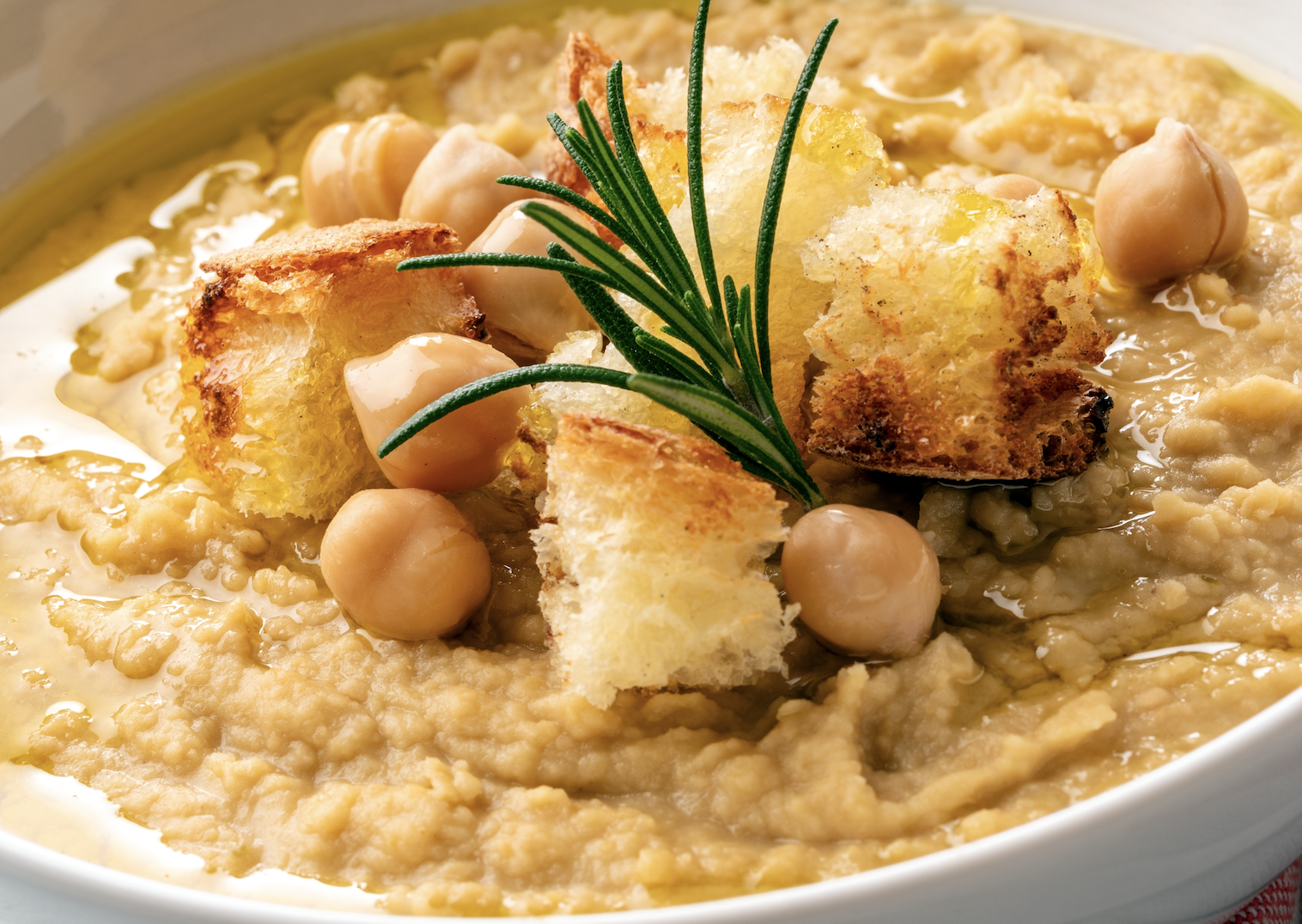
Both dishes become a full meal when paired with the right starters and sides. If you're ordering shawarma, consider starting with hummus or baba ghanoush to set the tone — their creamy, smoky flavors pair naturally with the spiced meat and warm bread.
For kebabs, a plate of tabbouleh or a light fattoush salad works well as a counterbalance to the richness of the grilled meat. Mezze-style sharing plates are another great option if you want to try a little of everything before committing to your main. If you want a broader look at how to navigate a Mediterranean menu, our guide on what to order at a Mediterranean restaurant is a good place to start.
Where can I try kebabs in Boston?
Eva, located in Boston's Back Bay, serves kebabs as part of its dinner menu. Guests can also explore other Mediterranean dishes across lunch and brunch, paired with cocktails crafted to complement the menu's bold flavors.
Ready to taste the difference for yourself? Reserve your table at Eva Today!
Contact us on our website or call us at(617) 546 5155.
Flavors beyond the plate
Culinary tales that capture the essence of Mediterranean spirit
Your table awaits
Join us for an unforgettable Mediterranean dining experience on historic Newbury Street.