
What is Mediterranean Cuisine
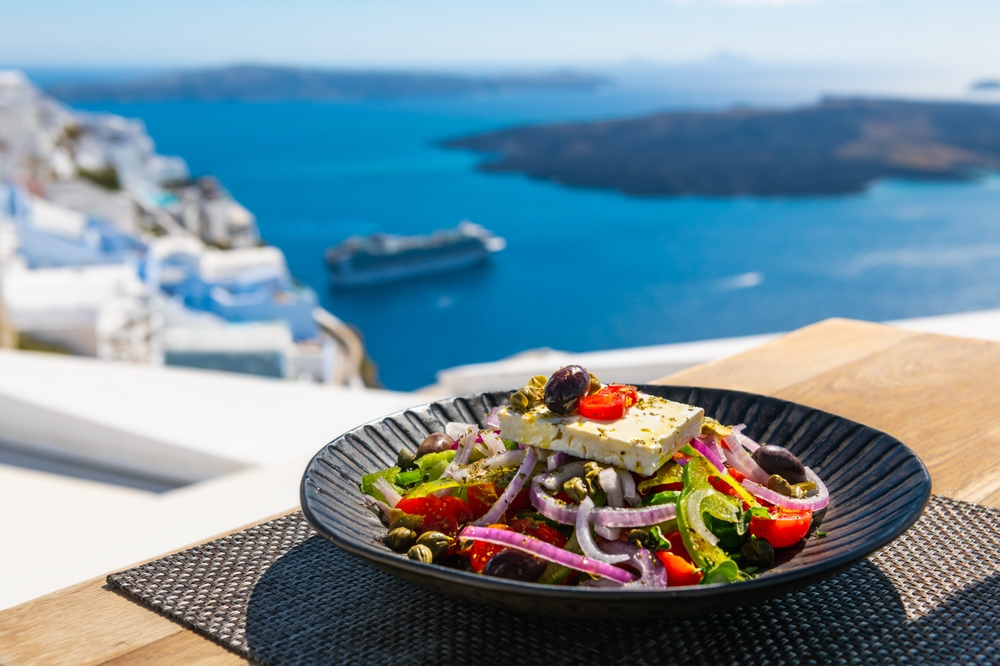
Mediterranean cuisine is one of the most celebrated and studied food traditions in the world, built on fresh ingredients, bold flavors, and a deep respect for the way food brings people together. It draws from the cooking traditions of more than a dozen countries that border the Mediterranean Sea, including Greece, Italy, Spain, Lebanon, Morocco, and Turkey, among others. What makes it stand out is not just the ingredients themselves, but the philosophy behind them: food is meant to be shared, enjoyed slowly, and prepared with ingredients that are as close to their natural state as possible. For Bostonians who want to experience what authentic modern Mediterranean cooking looks and tastes like, Newbury Street has become a destination in its own right. In this blog, we will explore where Mediterranean cuisine comes from, what defines it, and how EVA Boston brings those traditions to life on Newbury Street.
Where does Mediterranean cuisine come from?
Mediterranean cuisine does not belong to a single country or culture. It is a collective food tradition shaped by thousands of years of trade, migration, and shared coastline across Southern Europe, North Africa, and the Middle East. The ancient Greeks and Romans spread olive cultivation across the region. Arab traders introduced spices and new cooking techniques into Spain and Sicily. Ottoman cuisine influenced the Balkans and the Levant. Each country that borders the Mediterranean Sea contributed something to the overall culinary picture, which is why you can find similar ingredients like olive oil, chickpeas, eggplant, and fresh herbs appearing across wildly different national dishes. The result is a cuisine that is diverse in its expressions but consistent in its values: fresh produce, quality proteins, and cooking methods that preserve and highlight natural flavor rather than masking it. Understanding this history helps explain why Mediterranean food feels both comforting and endlessly interesting at the same time.
What ingredients define Mediterranean cooking?
The backbone of Mediterranean cooking is a core set of ingredients that appear across almost every country in the region. These are not exotic or difficult to find, but the way they are used and combined is what gives Mediterranean cuisine its distinctive character.
- Olive oil is the foundation of Mediterranean cooking, used for everything from roasting and sauteing to finishing dishes at the table. It replaces butter as the primary fat in most preparations and contributes a richness that is distinctly different from other cooking oils.
- Fresh herbs and spices like za'atar, ras al hanout, sumac, dill, and fresh parsley appear throughout the cuisine, adding depth without relying on heavy sauces or cream-based preparations.
- Legumes including chickpeas, fava beans, and lentils form the protein base for many traditional dishes and are featured in preparations like hummus, falafel, and slow-cooked stews.
- Seafood plays a central role given the geography of the region. Fish like salmon, sea bass, and octopus are grilled, roasted, or served raw with simple accompaniments that let the quality of the ingredient speak for itself.
- Grains and flatbreads such as pita, bulgur, and couscous serve as vessels for dips and spreads, or as the base for hearty main dishes. Fresh-baked bread at the table is a standard part of the Mediterranean dining experience.
- Dairy in the form of yogurt and cheese, particularly labneh, feta, and fresh ricotta, adds creaminess and acidity to dishes in a way that balances bold spices and rich proteins.
At EVA Boston, you can see these ingredients running through the entire dinner menu, from crispy chickpeas with ras al hanout and toum to mezze spreads of baba ghanoush, muhammara, and whipped goat cheese served alongside warm toasted pita.
How is Mediterranean cuisine different from other styles of cooking?
What separates Mediterranean cuisine from many other food traditions is its restraint and its respect for raw ingredients. French cuisine is known for its rich sauces and precise technique. Asian cuisines often rely on complex spice pastes and fermented flavors built over long periods. American comfort food prioritizes richness and portion size. Mediterranean cooking takes a different approach. The goal is to use fewer ingredients, cooked more simply, so that the quality of each one is clearly felt in the final dish. A piece of grilled fish finished with olive oil, lemon, and fresh herbs does not need much else. A bowl of hummus made with good tahini and properly cooked chickpeas is satisfying without any additions. This philosophy also shapes how meals are structured. Rather than a single large entree, Mediterranean dining traditionally builds a meal through small shared plates, mezze spreads, and communal dishes that encourage conversation and a slower pace at the table. That shared approach to eating is one of the reasons Mediterranean food cultures consistently rank among the most socially connected in the world.
What does a modern Mediterranean menu look like today?
Modern Mediterranean cuisine preserves the core values of the tradition while adapting to contemporary tastes, local ingredients, and global culinary influences. A modern Mediterranean restaurant does not rigidly follow a single country's recipes. Instead, it draws from the full breadth of the region's food culture and applies them through a contemporary lens. That might mean serving a tuna tartare with Mediterranean-inspired garnishes, pairing Spanish octopus with fava bean puree and a red wine reduction, or offering a lamb burger with cucumber labneh and pickled red onions. The Mediterranean framework gives chefs enormous flexibility because the underlying principles, quality ingredients, bold but balanced flavors, and food built for sharing, translate well across different formats and occasions. A modern Mediterranean menu will typically move through small plates and mezze, then into heartier mains featuring fresh seafood, grilled meats, and handmade pasta, with cocktails and desserts that reflect the same attention to ingredients. You can explore how this looks in practice by browsing the full EVA Boston menu, which spans brunch, lunch, and dinner with dishes that reflect both the tradition and the evolution of this cuisine.
Experience Mediterranean cuisine at EVA on Newbury Street in Boston
Mediterranean cuisine is not a trend. It is one of the oldest and most enduring food traditions in the world, and its core values of fresh ingredients, shared plates, and unhurried dining are as relevant today as they have ever been. EVA Boston was built around those values from the beginning. Founded by a family with deep roots in Mediterranean culture, our restaurant on Newbury Street is designed to give Boston diners an authentic and modern expression of what this cuisine can be. From the mezze spreads and small plates that start a meal to the whole fish, grilled lamb chops, and fresh pasta dishes that anchor our dinner menu, every plate reflects a genuine commitment to the ingredients and techniques that define great Mediterranean cooking. Whether you are joining us for a weekday lunch, a weekend brunch, or a special dinner, the experience is the same: good food, made with care, served in a space that welcomes you to slow down and enjoy it. To make a reservation or learn more about what we offer, contact us online or visit us at 279A Newbury Street, Boston, MA 02115.
Flavors beyond the plate
Culinary tales that capture the essence of Mediterranean spirit
Your table awaits
Join us for an unforgettable Mediterranean dining experience on historic Newbury Street.